
How to Lower Costs by Repurposing Content
A recent CMO Council report called “Closing the Gap” found that sales teams spend approximately 40 percent of their time preparing customer-facing deliverables, while leveraging less than 50 percent of the materials created by marketing. The 2013 B2B Content Marketing Benchmark survey done by Content Marketing Institute and MarketingProfs reinforces this content development issue, reporting that producing enough content was the No. 1 challenge faced by marketers.
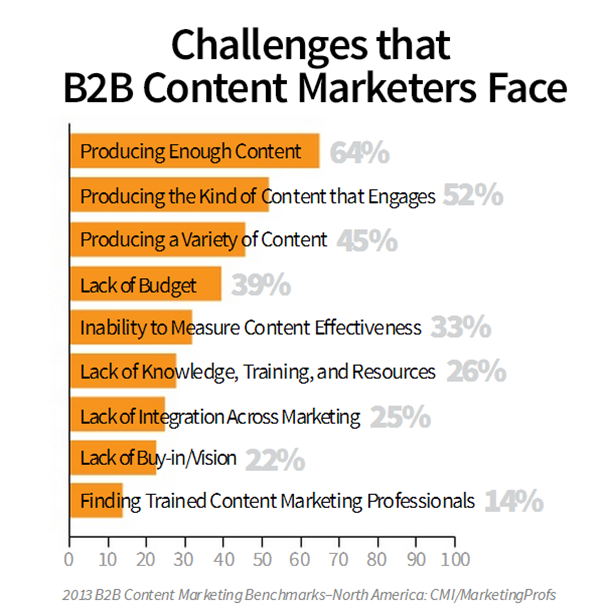
These statistics raise two major concerns for all companies:
- Is our marketing message being consistently communicated?
- Are we investing our marketing budget and resources in the right area?
With increasing diversification in marketing channels, how can product marketers repurpose digital marketing content that will engage prospects and drive sales leads? Here are four things to keep in mind as you develop new content or leverage existing digital content for diverse audiences.
Use consistent marketing messages across all channels
Marketing departments need to implement programs that ensure their key product differentiation message is communicated clearly and consistently everywhere that sales, marketing, and customers meet.
The continuing challenge for CMOs has been to create a marketing environment where sales teams and partners can clearly differentiate their products in a consistent manner, at every touch point, without having to modify or recreate marketing content. This goal seems to have eluded even the best CMOs, due to the propensity of individuals and groups to create unique, disparate marketing deliverables within their organizations.
Tell your product stories visually
No one likes to be statically pitched to. Allow consumers to be a part of the narrative and influence the outcome. Implement visual multimedia storytelling tools that will give users the ability to go forward and sideways through the content, providing a unique experience every time. This type of digital storytelling allows sales and marketing teams to tailor conversations in real-time, creating personalized demonstrations that are of interest to each individual customer. Videos don’t let you do that.
Reusing interactivity: No more one-sided experiences
B2B marketers want to create the same interactive experience everywhere prospects encounter their products, without having to spend exorbitant amounts to recreate it.
Video is scripted, and that’s great if you have someone’s attention, but if not then you need to be interactive and really captivate someone. Also, trying to modify or edit an existing video for multiple venues and audiences can be extremely expensive and time-consuming. Therefore, creating interactive experiences and seamlessly repurposing that engaging content across all platforms (iPads, laptops, websites, mobile devices, touch-screen appliances) and venues (trade shows, sales meetings, briefing centers) will ensure that the same interactive story will be conveyed consistently to everyone, every time.
Sharing content
Sharing your content through social media can help you find additional fans and create an audience to market to. Consider ways to reuse existing content to save time and money and show off what you’re capable of. Each social network has a unique set of users, so sharing content in a variety of places will allow you to connect with a broad array of audiences.
As you look to your content development and marketing plan, keep these things in mind as you determine where you should invest your marketing dollars. Whether you’re selling a network appliance, medical device, or industrial machine, it’s critical to deliver cutting-edge, compelling marketing content that can be repurposed, independent of the platform, to improve messaging consistency and significantly reduce marketing costs. Purposefully repurposing marketing content in 2013 will help companies tell their product story right the first time and every time.


 Kaon Interactive